Why Santa Monica apartment buildings remain a cornerstone Westside investment
If you are looking for a market where scarcity creates value, Santa Monica should be at the top of your list. This coastal city of about 93,000 people offers something most Westside neighborhoods cannot: a proven track record of appreciation driven by permanent supply constraints and relentless demand from tech workers, entertainment professionals, and the steady stream of tourists that pass through each year.
The numbers tell a compelling story. Average pricing sits around $415,000 per unit, which reflects the premium investors pay for access to one of the most desirable residential markets in Southern California. Cap rates hover near 4.7%, which is lower than many other Westside submarkets, but that compression is justified by the quality of tenants and the stability of rental income.
Understanding the rent control landscape
Santa Monica operates under its own rent control board, and the rules are notably stricter than California's statewide AB 1482. As of September 2025, the annual rent increase is capped at 2.3% or $60 per month, whichever is lower. This is significantly more restrictive than the state guideline, which allows increases of up to 5% plus inflation (capped at 10%) for properties not covered by local rent control.
For investors, this means you need to factor in controlled expense growth when modeling acquisitions. However, it also means your competition is constrained. Many investors shy away from Santa Monica because of the regulatory environment, which creates opportunities for those who understand how to work within these parameters. The key is focusing on properties where you can drive value through operational improvements, unit upgrades, and common area enhancements rather than relying solely on rent growth.
The supply story is your friend
Santa Monica's permit pipeline is extremely limited. The city approved roughly 650 new housing units as of early 2026, which is a drop in the bucket relative to demand. This is a community that has deliberately chosen to limit new development, which means existing inventory appreciates over time as the population grows and housing needs expand.
For apartment building investors, this supply constraint translates into strong occupancy fundamentals. Vacancy rates in Santa Monica run about 2.8%, well below the Los Angeles metro average of 5.2% reported in Q2 2025. When units do become available, they lease quickly, often within days of listing. This gives landlords significant pricing power in a market where demand consistently outstrips supply.
Who is renting in Santa Monica?
The tenant base in Santa Monica skews toward higher income households, which is crucial for investors concerned about credit quality and collection rates. Tech companies have major presence in the area, with offices for firms ranging from startups to established tech giants. The entertainment industry also draws significant rental demand, with production companies, studios, and media firms employing thousands of workers who need housing close to their jobs.
Tourism adds another layer of demand. The beach, the pier, and the Third Street Promenade draw millions of visitors annually, supporting a robust short-term rental market that can complicate traditional apartment investing but also creates opportunities for those who understand the dynamics.
What to look for in Santa Monica apartments
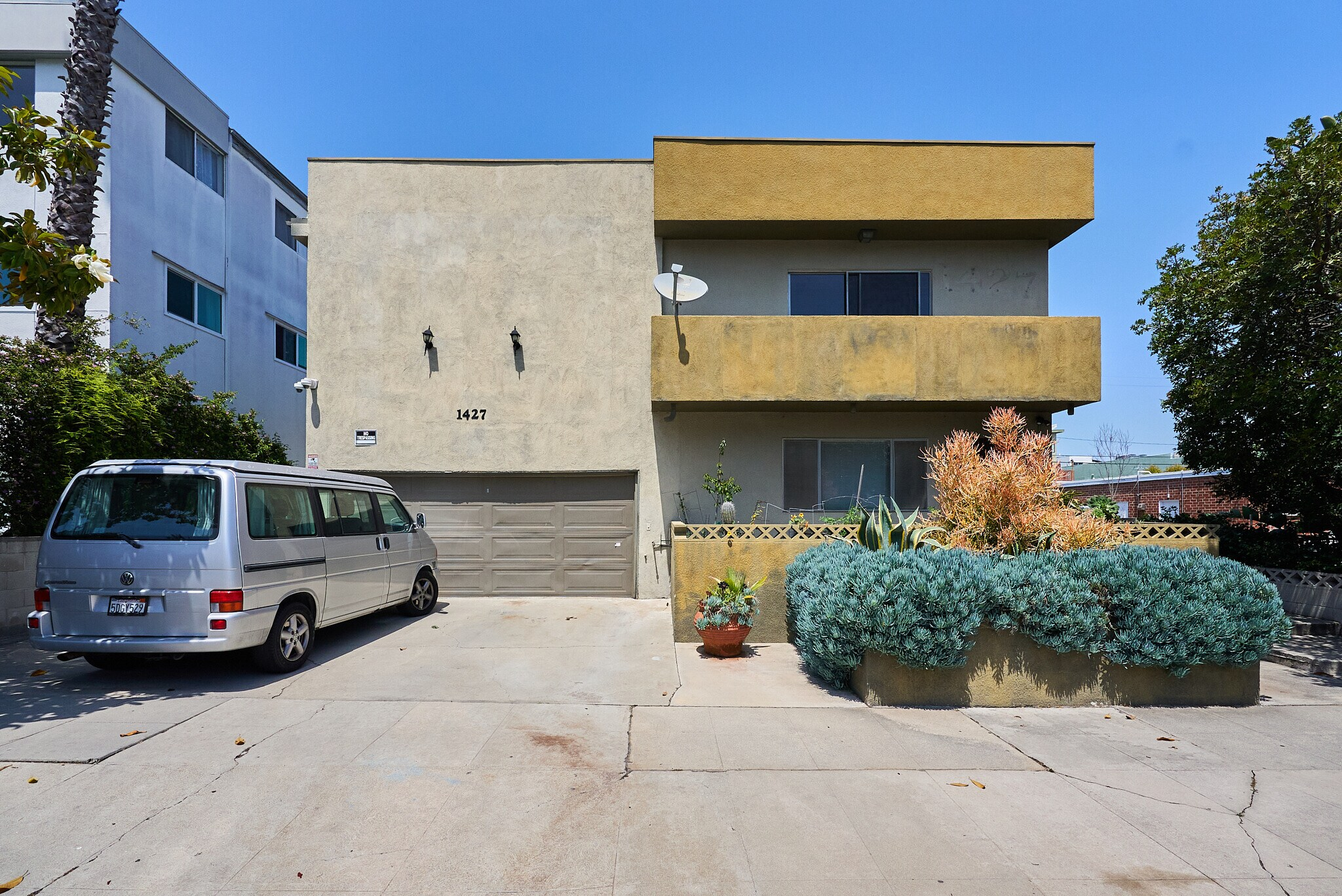
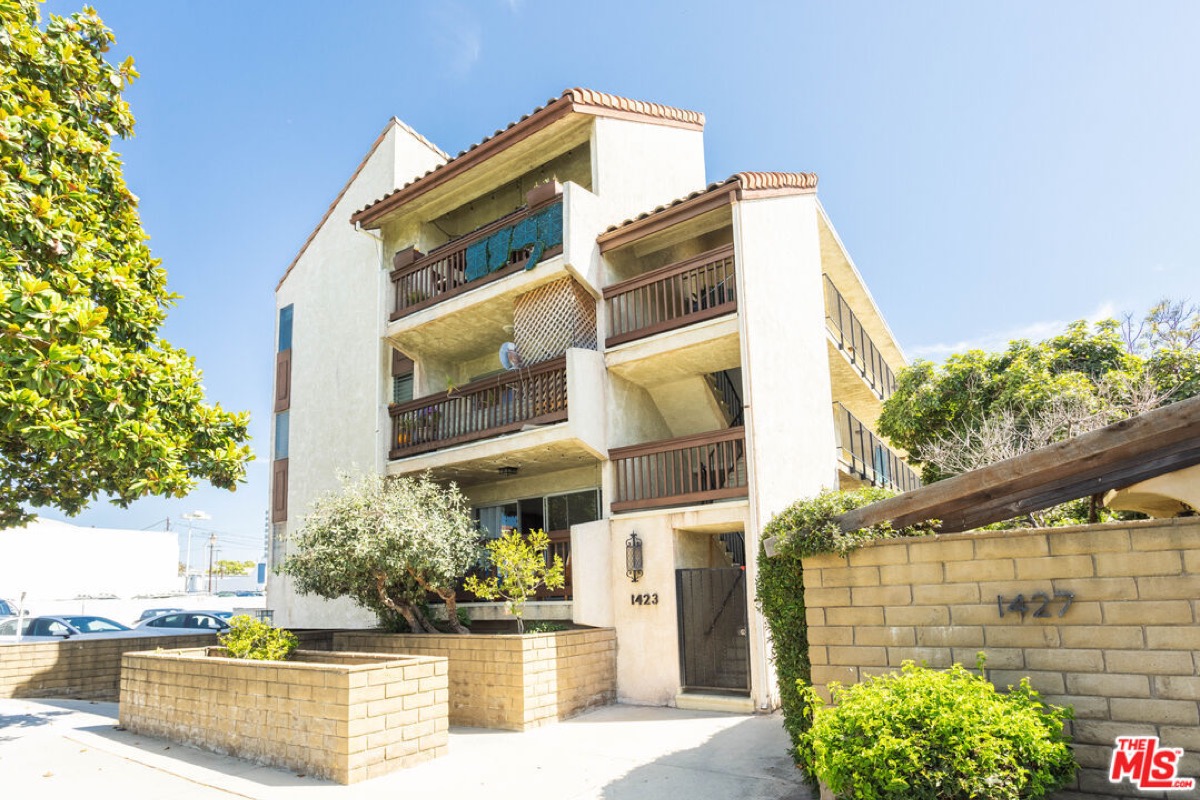
The most successful investors in Santa Monica focus on properties with value-add potential. Look for older buildings, particularly those built in the 1960s and 1970s, where you can implement unit renovations that command premium rents. Properties with oversized lots may offer additional development potential, though you need to navigate the city's entitlement process carefully.
Class B and Class C properties represent the best entry point for value-add strategies. These buildings often trade at a discount to newer construction, but they can be repositioned to achieve above-market rents once improvements are made. The key is finding properties where the current ownership has deferred maintenance, allowing you to create value through strategic capital investments.
The exit strategy matters
Before you buy in Santa Monica, you need a clear exit strategy. The high entry cost means you are betting on long-term appreciation rather than short-term cash flow. Refinance opportunities may be limited given the lower cap rates, so plan on holding for five to seven years minimum. The good news is that when you do sell, there will be buyers. Santa Monica apartment buildings rarely hit the market, and when they do, they attract strong institutional interest.
If you are an investor who values stability over yield, Santa Monica delivers. The combination of limited supply, high barriers to entry, and a deep pool of qualified renters makes it one of the most resilient multifamily markets in Los Angeles.